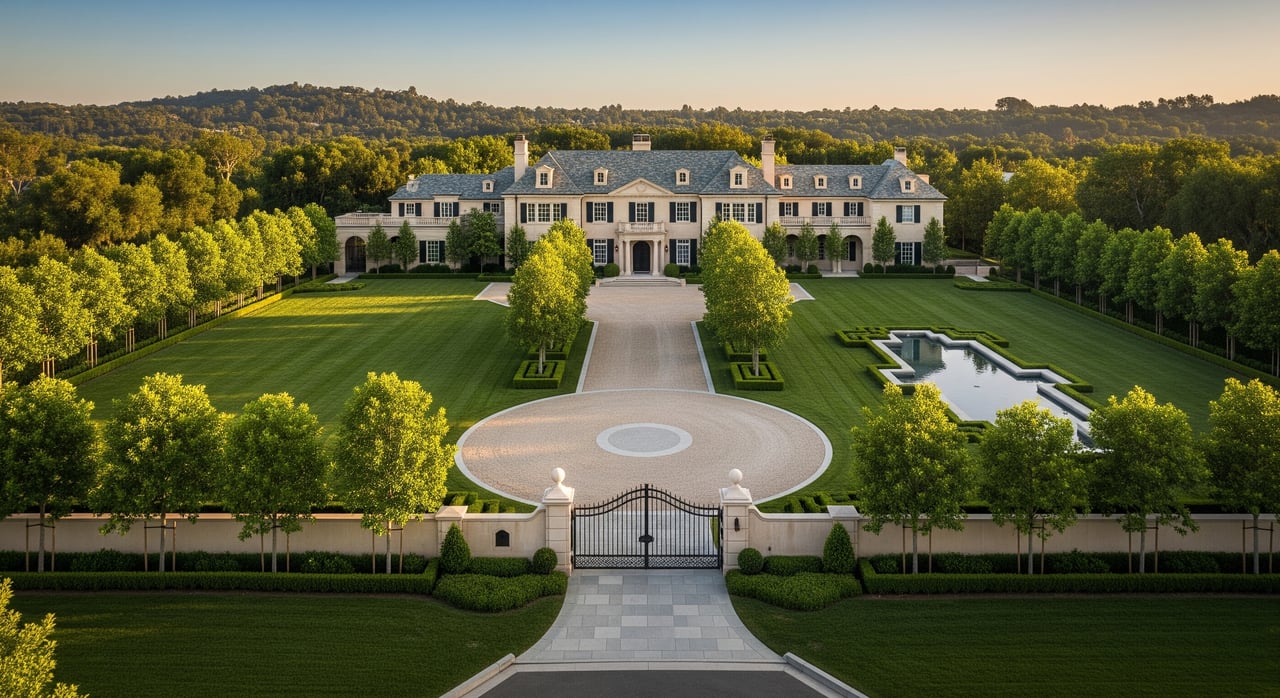
Is your Holmby Hills parcel truly an estate lot, or just large for Los Angeles? When you are buying or selling on the Westside, the difference can shift price, marketing strategy, and timetable. You want clarity on what the market recognizes as estate caliber, what the City allows, and how to verify the details before you commit. This guide breaks down the physical traits, regulatory guardrails, valuation factors, and due diligence steps that define an estate lot in Holmby Hills. Let’s dive in.
Estate lot meaning in Holmby Hills
“Estate lot” is a market term in Holmby Hills, not a legal classification. You will hear it from brokers, appraisers, and architects to describe parcels that support an estate‑style program with a main residence, generous gardens, pool, guesthouse or ADU, sports courts, and proper service areas. The neighborhood’s identity favors large parcels, long drive approaches, and mature landscaping, so the label is common, but it still needs to be earned.
Market convention matters. In Holmby Hills, estate talk typically begins around 15,000 to 20,000 square feet for an estate‑caliber lot and becomes unequivocal around 1 acre or more for a full estate. These are conventions, not rules. You should confirm actual dimensions and entitlements with City records, the County Assessor, and a current survey before relying on the term in pricing or negotiations.
Size and shape
Total square footage is the starting point. More land increases flexibility for house orientation, separate guest structures, and outdoor amenities without crowding. Shape can elevate or diminish that potential. Rectilinear lots make it easier to design gracious yards and clean circulation, while L‑shaped or irregular parcels can reduce usable area despite a large total.
Front‑to‑back depth is practical for a long approach and a private rear garden. Generous width helps you maintain side‑yard separation, privacy buffers, and elegant frontage. When you evaluate a parcel, look beyond the number and consider how the footprint supports the program you want.
Frontage and approach
Street presence is a hallmark of estate character in Holmby Hills. Wide frontage supports a formal entry, gates, and circular or motor‑court drives. A deeper setback from the street provides visual privacy and room for layered landscaping. If you are selling, measure frontage and approach length so buyers understand what they can stage and what they can see from the street.
Siting and topography
Flat or gently sloped parcels are the most flexible for pools, lawns, and courts. Elevated sites with open view corridors can command premiums, but hillside or terraced parcels may require geotechnical work and structural engineering. Drainage patterns and soil conditions affect cost and can limit where you place structures. A geotechnical review is routine if the site has meaningful slope.
Privacy and landscape potential
Estate buyers in Holmby Hills expect privacy. Mature trees, hedges, walls, and distance from neighboring structures all contribute. Side‑yard width and rear yard depth determine how well you can create outdoor rooms and protect sightlines. Keep in mind that municipal tree protection rules may apply to removal or pruning, especially for street or specimen trees, which can influence both design and timing.
Utilities and service areas
An estate functions at the back of house as much as the front. Space for garages, staff access, waste collection, deliveries, and mechanical equipment is part of the definition. The ability to site a guesthouse or ADU, pool and spa, or a sport court without violating setbacks or easements is equally important. Confirm utility locations and capacity early, including sewer, water, and storm drainage.
Views and light
Orientation to views and daylight elevates perceived value. Consider not only what you can see today but how neighboring structures, trees, or future improvements could affect view corridors. View easements, where present, and landscape plans on adjacent parcels can shape long‑term enjoyment.
Access and neighborhood context
Holmby Hills is prized for quiet, residential streets. Distance from major thoroughfares and commercial areas reduces noise and traffic, which supports an estate feel. Spacing between homes, typical setbacks on the block, and the character of nearby parcels all inform how secluded a lot feels.
Historic and architectural context
Some properties include historically significant homes, landscape features, or landmark trees. These elements can increase prestige while limiting redevelopment options. If a parcel may have historic value or prior designations, you should confirm status before planning changes.
Regulatory factors to verify
Estate potential is always tied to local rules. Zoning, setbacks, height, and coverage standards determine what you can actually build or expand.
Zoning and development standards
Holmby Hills includes a mix of Los Angeles zoning categories that govern minimum lot area, permitted uses, setbacks, height, coverage, and Floor Area Ratio. Two parcels of similar size can have different outcomes if they sit in different zones or overlays. Use official City planning records for parcel‑specific standards.
Setbacks, height, FAR, and lot coverage
Large lots do not guarantee proportionally larger homes. FAR caps, maximum heights, and required setbacks define the buildable envelope. Some parcels benefit from past approvals or variances that allow unique footprints. Always review permit history to understand if exceptions exist.
Subdivision and lot merger
Owners sometimes assemble or consolidate parcels to create or preserve an estate. Subdivision in this area is constrained by minimum lot sizes and subdivision ordinances. Title covenants may also restrict lot splits or require preservation of landscape elements. Confirm the rules before you price or purchase with a split or merger in mind.
ADUs, guesthouses, and service structures
California has broadened ADU rights, but local setback rules, utility capacity, and overlay conditions still apply. Many buyers expect a detached guest suite. Verify whether a proposed guesthouse counts toward FAR, where you can place it, and what utility upgrades may be required.
Historic protections and overlays
Historic overlays and landmark designations affect demolition and exterior changes. If you suspect a property could be subject to protections, check City planning and cultural heritage records for designations and prior conditions.
Environmental, trees, and protected species
Tree ordinances can limit removal of mature or street trees and require mitigation or replacement. On sloped parcels, hillside and geologic safety rules can add engineering requirements or limit grading. These factors add time and cost that buyers and sellers should model into negotiations.
Easements and title matters
Recorded easements for utilities, drainage, or access reduce the usable area and may restrict where you place a pool, sport court, or accessory structures. An ALTA survey and a current title report are the right tools to reveal these constraints.
Permits and prior approvals
Historic footprints, conditional uses, or recorded variances can unlock opportunities that are not obvious from the code text. Conversely, the absence of prior approvals may make expansion more complex. Collect and review the permit file before you draft plans or marketing copy.
Valuation and market positioning
In Holmby Hills, land attributes carry unusually high weight. Price is a function of land value, based on size and usability, plus the value of improvements. As lots get larger, price per square foot of land typically declines while the total price rises, so marketing should emphasize acreage and program potential rather than only per‑square‑foot metrics.
Buyer demand segments around privacy, compound potential, and address prestige. Highlight tangible estate features buyers want to see: a long gated drive, flat rear lawn, space for pool and sport court, and options for a detached guesthouse. When you select comparables, look to similar lot sizes and nearby improved estates with comparable setbacks, views, and program capacity. Small‑lot home comps will not provide a reliable picture.
Entitlement risk is a pricing lever. Unresolved zoning questions, historic constraints, or tree mitigation can slow projects and increase costs. Buyers discount uncertainty. Sellers can close that gap by assembling surveys, geotechnical and arborist reports, utility verifications, and where practical, preliminary planning studies that outline the buildable envelope.
Avoid label inflation. Do not call a parcel an estate lot solely because it sits in Holmby Hills. Substantiate the claim with measured metrics such as lot square footage, frontage width, setbacks, and examples of what fits within the envelope, like a tennis court footprint or a detached guest suite location.
Due diligence checklist
Use this quick, practical list whether you are evaluating a purchase or preparing to list.
- Parcel and title
- Confirm lot area and dimensions with an ALTA or comparable survey.
- Order a title report and review CC and Rs, easements, and any private restrictions.
- Verify whether the parcel is subject to an HOA or neighborhood covenants.
- Zoning and building rights
- Confirm current zoning, FAR, height, setbacks, and minimum lot area using official City records.
- Check for recorded variances, conditional uses, or prior approvals that affect the buildable envelope.
- Verify ADU allowances and whether a guesthouse counts toward FAR.
- Physical and environmental
- Obtain a geotechnical report for sloped or hillside conditions.
- Commission an arborist report for protected or heritage trees and mitigation requirements.
- Review drainage patterns and any past grading or landscape permits.
- Infrastructure and access
- Map sewer, water, and storm connections and confirm capacity.
- Validate access for emergency vehicles and any gate or driveway design constraints.
- Historic and preservation
- Check for overlays, landmark status, or recorded preservation agreements.
- Review permit history for demolition restrictions or conditions tied to past approvals.
- Entitlement strategy
- If you plan to expand or rebuild, get a preliminary entitlement review from a land‑use professional.
- Evaluate feasibility of lot merger or subdivision if relevant to your plan.
- Market intelligence
- Assemble sales comps focused on similar lot sizes and estate‑level programs in Holmby Hills and nearby peer neighborhoods.
Renovate or rebuild
Whether to renovate an existing house or start new depends on FAR limits, setbacks, any historic status, and the comparative cost of construction. A historically significant structure or protected landscape may favor preservation or adaptive renovation. A dated structure without constraints may justify a ground‑up plan if the buildable envelope supports your program.
If you are buying with redevelopment in mind, pencil in entitlement timelines and probable discretionary steps. If you are selling, consider how pre‑collected reports and clarity on the envelope can compress buyer diligence and reduce price discounting for uncertainty.
Work with a trusted advisor
Estate‑level parcels in Holmby Hills reward careful planning and precise marketing. You want a measured approach that balances discretion with the technical work needed to give buyers confidence. If you are evaluating a purchase, preparing a complex sale, or weighing renovation versus redevelopment, connect with a senior‑led team that can speak both luxury and entitlement.
Request a confidential valuation and a parcel‑specific strategy with Auburn Properties.
FAQs
Is “estate lot” a legal term in Los Angeles?
- No. It is a market descriptor used by buyers, sellers, and appraisers; your rights come from zoning, recorded title, and applicable overlays.
What lot size is considered an estate in Holmby Hills?
- Market convention starts around 15,000 to 20,000 square feet for estate‑caliber and becomes clear at 1 acre or more, though parcel shape and usability also matter.
Can I subdivide a large Holmby Hills parcel?
- Possibly, but subdivision is constrained by minimum lot sizes, subdivision ordinances, and any recorded covenants; verify feasibility before you price or plan.
Do mature trees help or hurt value on estate lots?
- Both. They add privacy and instant presence but may be protected by local ordinances that require permits or mitigation for removal or major pruning.
How do setbacks and FAR affect an estate plan?
- They define your buildable envelope, which controls house size and where you can place pools, courts, guesthouses, and service areas on the lot.
Are hillside or view lots at a disadvantage?
- Not necessarily. They can command premiums for views, but they may require added engineering and entitlement steps that affect cost and timing.
What documents should I collect before listing an estate lot?
- An ALTA survey, title report, zoning details, permit history, arborist and geotechnical reports if applicable, and comps that emphasize lot attributes.