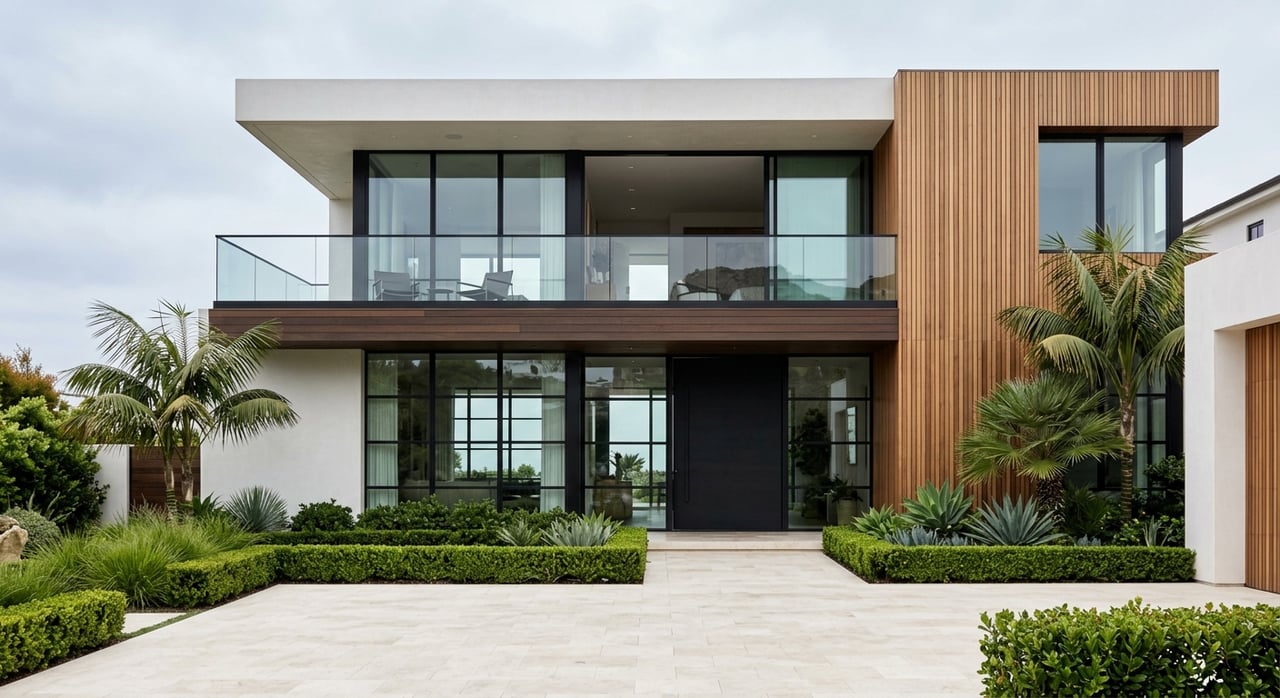
If you are choosing a Beach Cities home, the view is only part of the decision. Your day-to-day experience will depend just as much on commute routes, parking tolerance, housing type, and how easily the home supports your routine. When you match those factors to the way you actually live, the right fit becomes much clearer. Let’s dive in.
Why the Beach Cities are not one market
The Santa Monica Bay beach corridor works best as a group of distinct submarkets, not one uniform coastal market. Santa Monica is the most urban and transit-rich, Marina del Rey is the most marina-oriented, and Manhattan Beach, Hermosa Beach, and Redondo Beach each offer a different balance of shoreline living, housing mix, and commute patterns.
El Segundo also belongs in the conversation for many buyers. While it is not typically framed the same way as the classic beach towns, it often becomes a practical choice if your work involves frequent flights or regular South Bay commuting.
Start with how you work
A beach home should support more than weekends. If you split time between the office, the airport, client meetings, and home, your best choice often comes down to mobility before lifestyle extras.
Santa Monica for transit access
Santa Monica offers the strongest public transit and pedestrian infrastructure in this corridor. Downtown Santa Monica is the western end of the Metro E Line, and the city says multiple Big Blue Bus and Metro lines directly serve the Pier.
Santa Monica also describes itself as a multimodal city, with more than half of residents walking or biking daily. If you want the clearest walk-to-work or walk-to-everything setting, this is the strongest fit in the group.
El Segundo for airport convenience
If airport access is a top priority, El Segundo stands out. The city says it sits just south of LAX, the 105 and 405 freeways are minutes away, Pacific Coast Highway provides a direct north-south route, and three Metro rail stations are located in the city.
For buyers who travel often, that convenience can reshape the entire ownership experience. Less time getting to and from the airport can mean a home feels more usable during busy workweeks.
South Bay for car and bike commuters
The South Bay beach cities rely more on cars, bikes, and feeder transit, but they still support workday commuting well. Hermosa Beach highlights the Strand, city bike routes, Beach Cities Transit, Torrance Transit, LADOT Commuter Express, and rideshare zones as part of its transportation network.
Hermosa also notes common commute patterns along Pacific Coast Highway toward El Segundo, Culver City, Santa Monica, and Beverly Hills, as well as inland toward Torrance and Downtown Los Angeles. That matters if you want beach access without giving up practical regional connections.
Redondo Beach for rail access in South Bay
Redondo Beach is the South Bay rail anchor in this group. The city has a C Line station, and Beach Cities Transit connects the pier, Riviera Village, and the station.
If you want coastal living with a stronger transit link than many nearby areas, Redondo deserves a close look. It can offer a useful middle ground between beach lifestyle and regional mobility.
Match the home to your daily routine
Once commute patterns are clear, the next step is housing type. In the Beach Cities, the difference between detached-home living and a lower-maintenance condo or townhome can shape your experience as much as the location itself.
Santa Monica for urban housing variety
Santa Monica has about 52,269 housing units and a wide range of housing types, according to the city’s housing element. The mix includes single-unit dwellings, small-scale bungalows, courtyard apartments, condominiums, and larger mixed-use apartments.
Recent residential growth has been concentrated in commercial and mixed-use areas near Metro E Line stations. For you, that usually means more choices if convenience matters, but also a more clearly multifamily and mixed-use environment.
Marina del Rey for managed waterfront living
Marina del Rey is especially relevant if marina access is part of everyday life. Los Angeles County says the area has more than 4,600 boat slips across 23 marinas, along with guest docks, launch ramp access, and a large number of apartment communities around the harbor.
That profile makes Marina del Rey a strong option for boaters, part-time owners, and buyers who want a managed waterfront setting rather than a dense retail core. It is one of the clearest lock-and-leave environments in the corridor.
Manhattan Beach for detached homes
If you want privacy, a larger residential feel, and stronger detached-home inventory, Manhattan Beach stands out. City materials say single-family homes dominate most of the city outside the beach areas, and a city appendix reports that 77.2% of housing units are single-family residential.
Condominium concentrations are more limited, with the largest groups in Manhattan Village and the beach section. For buyers comparing ownership styles, Manhattan Beach is the clearest detached-home market in this set.
Hermosa Beach for a middle ground
Hermosa Beach sits between the more urban Santa Monica profile and the more detached-home character of Manhattan Beach. The city says it has about 10,000 housing units, with roughly 50% single-family, 21% small multifamily, 27% in buildings with five or more units, and about 1% mobile homes.
That mix gives you more flexibility. Depending on the block, you may find a more neighborhood-scale setting or a denser area with stronger proximity to activity hubs.
Redondo Beach for housing balance
Redondo Beach offers one of the broadest housing mixes in the group. The city describes its housing stock as about 54% single-family and 46% multifamily.
That balance can be appealing if you want beach and harbor access without committing to an exclusively urban product type. It gives buyers more ways to align budget, maintenance preference, and location.
Think beyond the beach itself
Many buyers start with shoreline appeal, but daily lifestyle often comes down to what is nearby when you are not on the sand. Walkability, shopping, dining, public spaces, and access to recreation all affect how often you use and enjoy the home.
Santa Monica for walkable amenities
Santa Monica has the corridor’s strongest urban amenity cluster. The Third Street Promenade serves as a pedestrian shopping, dining, and entertainment destination in the heart of downtown, and the Pier remains directly accessible by transit and on foot.
If you want the easiest path to a car-light routine, Santa Monica is difficult to match. It is the clearest fit for buyers who value an active, urban coastal setting.
Marina del Rey for boating lifestyle
Marina del Rey is less about a retail core and more about the waterfront itself. The harbor setting, apartment communities, guest docks, and launch access create a daily rhythm centered on the marina.
If your version of work and play includes boating or a more managed waterfront environment, that distinction matters. It is a different experience from a downtown beach district.
Manhattan Beach for classic coastal amenities
Manhattan Beach pairs a residential feel with a strong amenity base. Official city visitor materials highlight The Strand, the historic pier, downtown restaurants, Metlox Plaza, and the Roundhouse Aquarium.
The city also notes 12 parking lots with more than 1,400 spaces and bike parking at 87 locations. For you, that can translate into a coastal lifestyle that feels active and well-supported without being as urban as Santa Monica.
Hermosa Beach for a social beach-town core
Hermosa Beach is often the strongest fit for buyers who want an active and social beach-town environment. The city highlights the Strand, Pier Plaza, local businesses, restaurants, and the Greenbelt as central parts of daily life.
Hermosa also says it has roughly two miles of shoreline, and an average summer weekend can draw more than 100,000 beachgoers. That scale of activity can be a plus if you want energy close by, but it is worth weighing against your preference for a quieter routine.
Redondo Beach for harbor and neighborhood variety
Redondo Beach centers much of its lifestyle around King Harbor, Seaside Lagoon, Veterans Park, the beach promenade, and a weekly farmers market below Veterans Park. That creates a blend of waterfront recreation and neighborhood convenience.
For many buyers, Redondo feels balanced. It can offer both harbor-oriented activity and a broader mix of residential options.
A simple way to narrow your choice
When comparing the Beach Cities, it helps to focus on the pattern of your life rather than the name of the city alone. The right home is usually the one that fits how often you will use it, how you move through the region, and how much upkeep you want.
Here is a practical framework:
- Choose Santa Monica if you want the strongest transit access, walkability, and urban convenience.
- Choose El Segundo if airport access and South Bay work connections are central to your routine.
- Choose Marina del Rey if boating and managed waterfront living are high priorities.
- Choose Manhattan Beach if you prefer detached-home inventory and a more residential feel.
- Choose Hermosa Beach if you want an active, social beach-town core.
- Choose Redondo Beach if you value a balanced mix of housing types plus beach and harbor access.
For primary residences, the main trade-off is often detached-home feel versus daily convenience. For part-time use, HOA-managed condos or townhomes near downtown, pier, or marina areas can be especially practical because they often align better with lower exterior maintenance, secure parking, and easy access.
Choosing well in the Beach Cities requires more than taste. It requires a clear view of how location, access, and ownership style work together in real life. If you are weighing options along the coast, Auburn Properties can help you evaluate the market with discretion, clarity, and senior-level guidance.
FAQs
Which Beach Cities area is best for commuting to Westside job centers?
- Santa Monica is the strongest option for Westside commuting because it has the Metro E Line, direct Pier transit service, and a strong walk and bike network.
Which Beach Cities location is best for frequent flyers?
- El Segundo is the most convenient choice for frequent flyers because it sits just south of LAX and has quick access to the 105, 405, Pacific Coast Highway, and three Metro rail stations.
Which Beach Cities market has the most detached homes?
- Manhattan Beach has the strongest detached-home profile, with city materials reporting that 77.2% of housing units are single-family residential.
Which Beach Cities area is best for boating and marina access?
- Marina del Rey is the clearest marina-focused option, with more than 4,600 boat slips in 23 marinas, while Redondo Beach is a strong South Bay harbor alternative.
Which Beach Cities community offers the broadest housing mix?
- Redondo Beach offers a notably balanced mix, with about 54% single-family homes and 46% multifamily housing according to city materials.